
I went to the Forney Museum of Transportation yesterday. It is a great museum. It’s the personal collection of J.D. Forney. He had an interest and all modes of transportation and started this collection in the 1920’s. It is an amazing collection of cars, trains, carriages, and bikes. 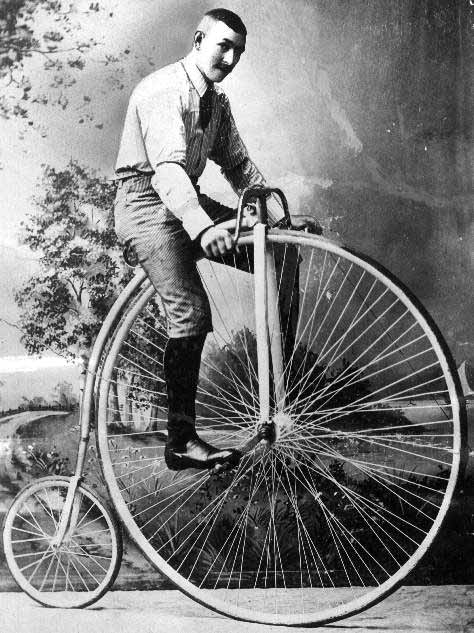
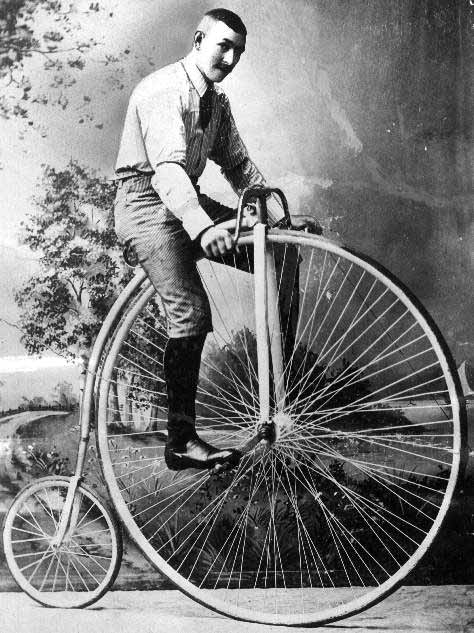
Of the bikes on display were these old school bikes with the big wheel. Many had their own unique take on the concept. One even had the little wheel in the front.
These bikes were difficult to ride. Only men were capable of riding them. Women and children were unable to use them. They were cumbersome, inefficient, and had a high-learning curve. Yet, the manufactures continued to improve and innovate on these bicycles rather than look for something new; like a bike using a pulley system. (today’s chain and sprocket system). They kept making changes to a bad bike rather than trying to make a good bike.
This is still common today. We are afraid to create new. It’s easier to improve on existing. Fearing failure we continue to improve on what we know rather than look for something we don’t see. What would mobile devices look like today if RIM and Apple hadn’t come along? How much longer would be reading hardcover books if Amazon hadn’t offered us the Kindle.
Changing the way we do things requires seeing what can’t be seen. Clinging to the safety of what we know gets us more of what we know and that’s not progress.
There is value in what we’ve always done, it got us here. Yet, there is no value in what we’ve always done as it will keep us here.
![Reblog this post [with Zemanta]](http://img.zemanta.com/reblog_e.png?x-id=4d3cc7f6-159e-4a15-a61a-0743fb36df37)